
 Visa guide
Visa-free Countries for Zimbabwe Passport Holders
Every destination Zimbabwean can enter visa-free — visa-not-required, visa-on-arrival and eVisa options.
Visa not required countries for Zimbabwean passport holders
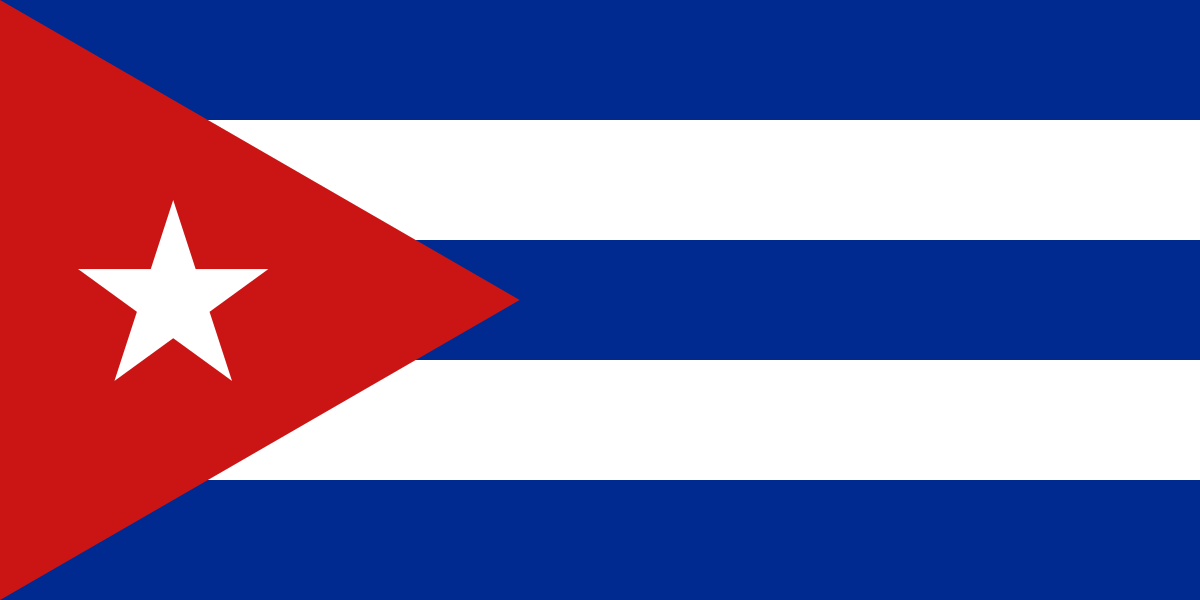
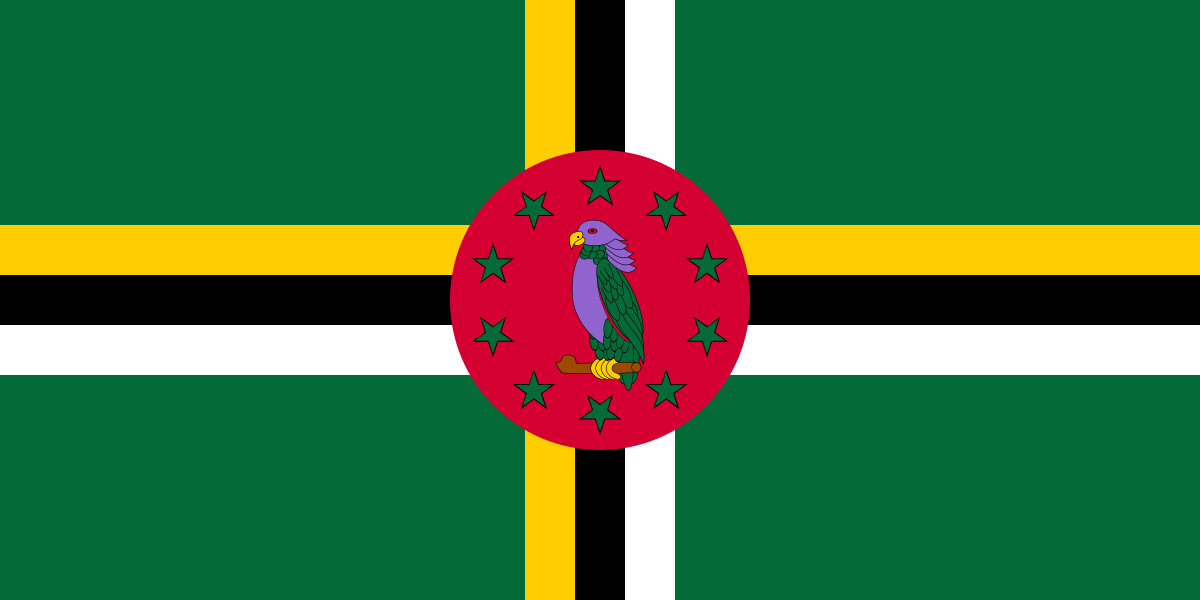
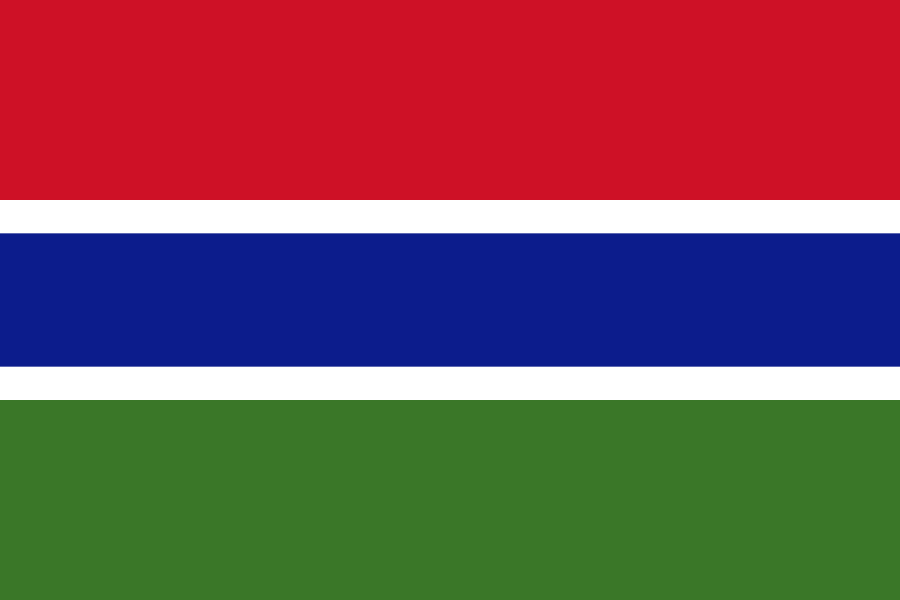
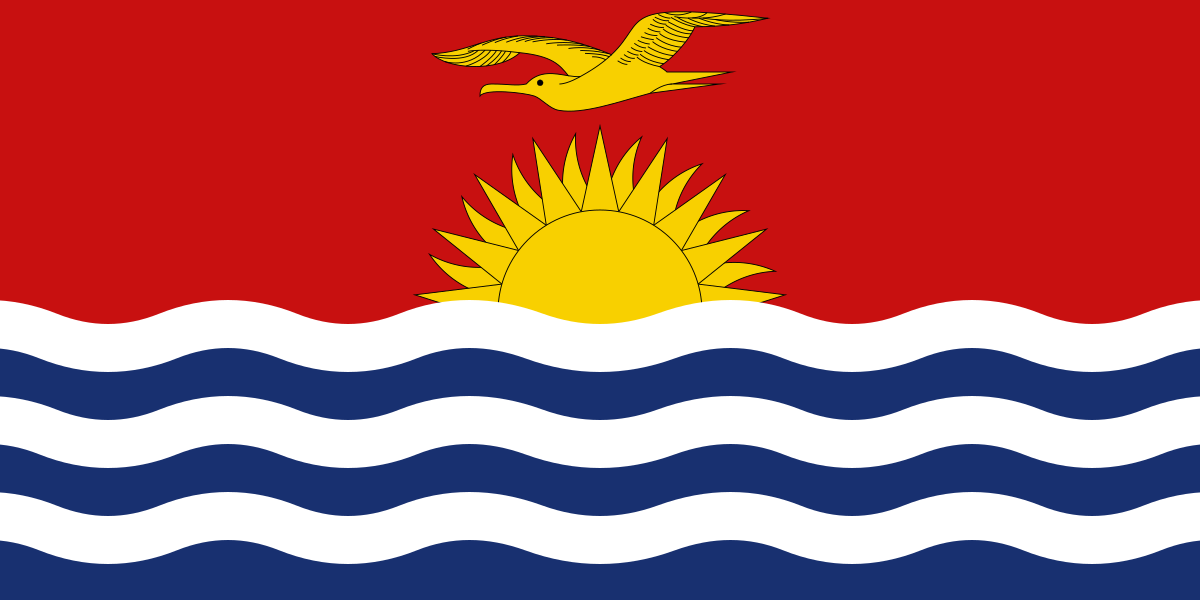
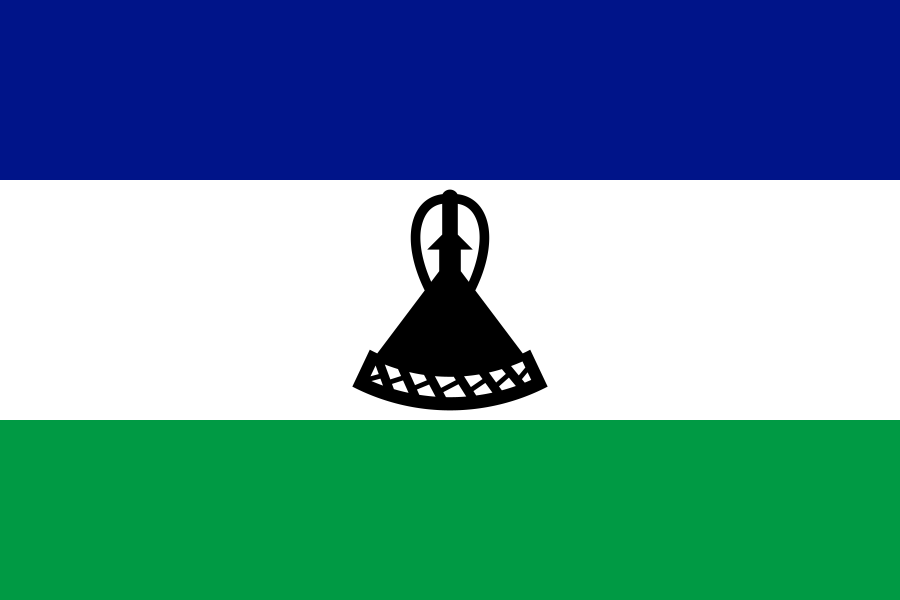
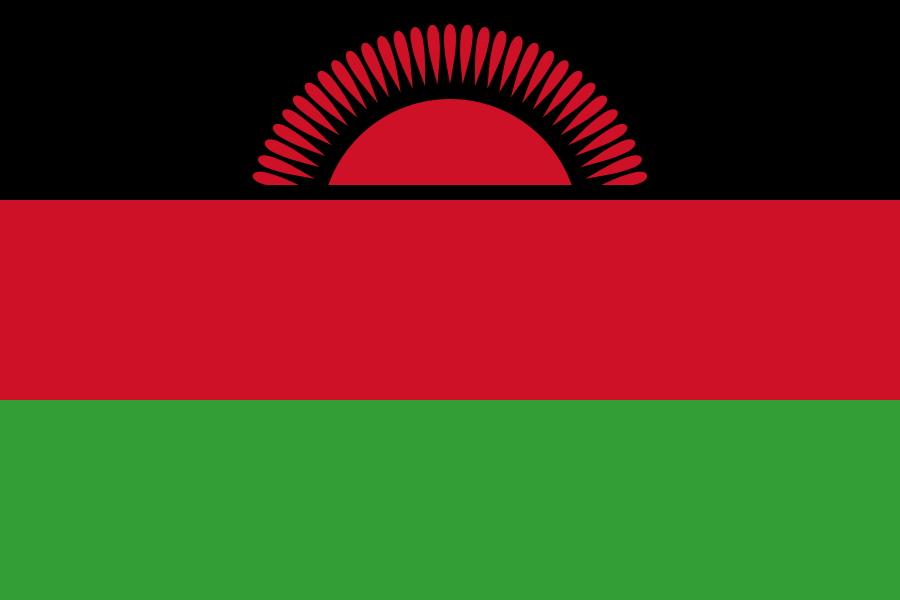
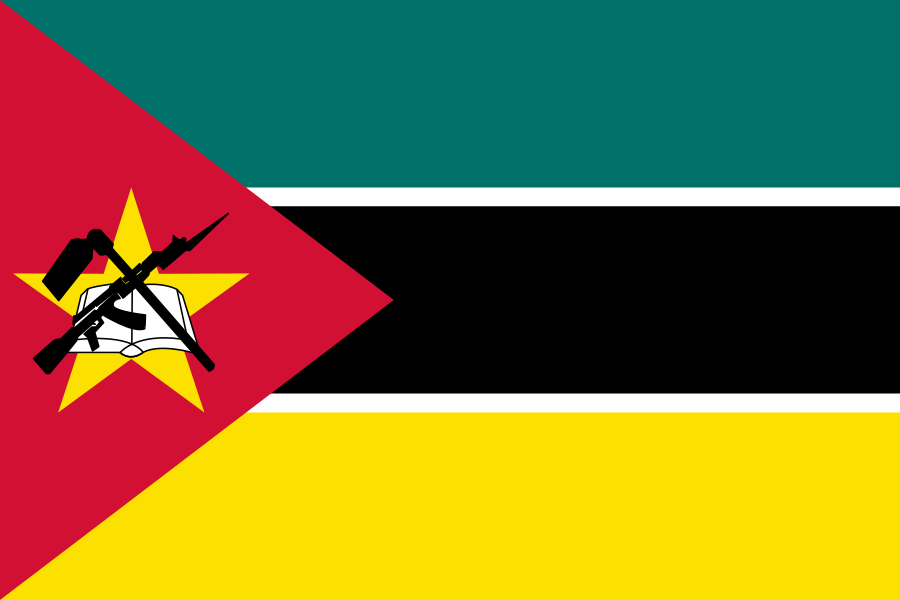
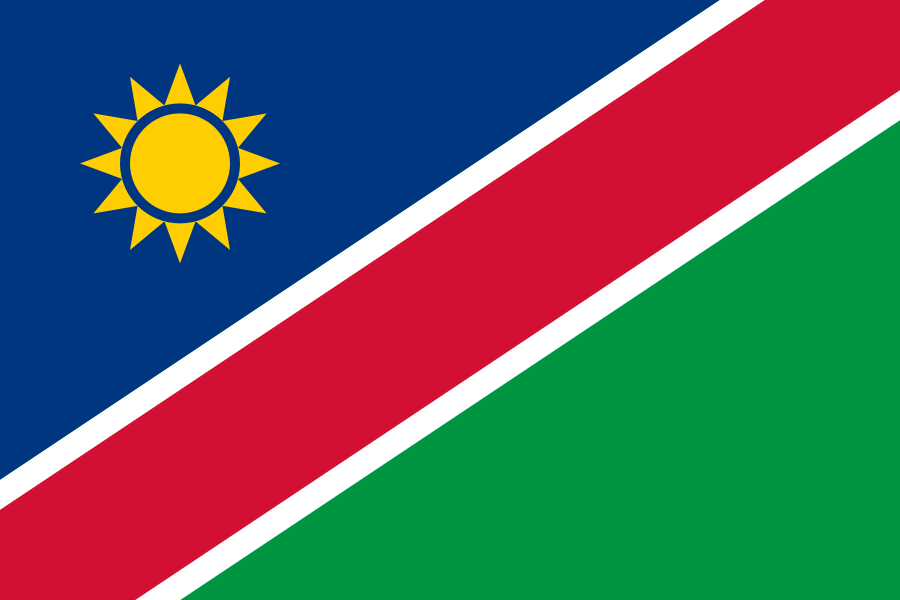
43 countries do not require Zimbabwean passport holders to obtain a visa before entering — you can travel on a valid passport alone.










Visa on arrival countries for Zimbabwean passport holders
28 countries let Zimbabwean passport holders pick up a visa at the port of entry. There is usually a fee at the immigration desk, though some countries issue it free of charge.


E-visa countries for Zimbabwean passport holders
10 countries require Zimbabwean passport holders to obtain an electronic visa (eVisa) online before they travel.


General visa requirements & things to know before you travel
A general checklist of what most countries ask for when Zimbabwean apply for a visa.
- A valid international travel passport
- A completed visa application form
- The applicable visa fee
- Evidence of permission to enter the destination country
- A photocopy of your passport data page
- Financial proof — an original bank statement
- A letter of invitation, where one is required
Exact requirements vary by destination and visa type — always confirm what your destination needs before you apply.
Visa information for other nationalities
Visa requirements for travellers from other countries visiting Zimbabwe.












About Zimbabwe
Zimbabwe is a Southern African country located between the Zambezi and Limpopo rivers. Her capital and largest city is Harare. Zimbabwe is known for her diverse wildlife and spectacular landscapes.
Zimbabwe enjoys a relatively moderate climate. Her dry season is between the months of May to September and from November to March, she experiences heavy rainfall. The May to October dry season has little rainfall and low malaria risk and is the best time to visit Zimbabwe. Visitors should dress lightly but protectively to guard against mosquitoes and the sun.
Her two major ethnic groups are Shona and Ndebele. The Zimbabweans favour corn based meals such as bota and the national dish called Sadza, both made with corn meal. Zimbabweans are primarily Christian and are a people of arts such as sculptures, pottery, carvings, basketry, textiles, jewelry.
Some fascinating places to be visited in Zimbabwe are:
- The Eastern Highlands: These mountains provide a fascinating sight and experience.
- The Medieval Era Ruins: Zimbabwe draws fame from its medieval era ruins of structures dating to as far back as the Kingdom of Zimbabwe. One of these is the Great Zimbabwe ruins in Masvingo.
- The Hwange National Park and Mana Pools National Park: Both national parks are UNESCO World Heritage Sites and provide some of the best wildlife and safari experiences in the entire region of Southern Africa.
- The Victoria Falls: The Victoria Falls is located at the border between Zimbabwe and Zambia and as such, Zimbabwe shares the Falls with the Zambians. However, each country provides a different and unique view and perspective of the Falls from the other.
- The Chinhoyi Caves: The caves are traditionally called "Chirorodziva" which means "The Pool of the Fallen". They were named after the Shona tribe heroes who were thrown into the caves to die by the Nguni tribe. The history and mythology surrounding the caves make them an interesting location to visit.
Zimbabwe has a plethora of colourful festivals. The Harare International Festival of Arts is the highlight of Zimbabwean festivals and is held annually at the end of April.
Other Zimbabwean festivals of note are The Harare International Food Festival and The Jikinya Traditional Dance Festival both held annually in November.
Accommodation in Zimbabwe ranges from guest houses to safari accommodations and hotels. There are cheap, average and expensive accommodations available in Zimbabwe.
In Zimbabwe, one may price an item in euros, buy it in dollars and get change in South African rands. A staggering 86.5% of her population is literate. She has 16 official languages including English, Ndebele, Chewa amongst others, making her the country with the highest number of official languages in the world.